The Olympics start on 26 July in Paris and, as usual, there are plenty of niche sports amongst the more popular offerings. The full list of sports can be found on the official site; we want you to teach us about one of them!
What are the rules of the sport? Which team and/or players are the favourites at the Olympics this year? Who are the icons of the sport? Teach us all that and more in at least 100 words of original writing or video to win $3! In the case of more entries than rewards, we'll favour the lesser known sports and most informative entries for prizes.
Bounty Rewards
$312 rewards
Reward closed
Created at .Page last updated at . Deadline at .
Submissions (7)
A
Asim7/30/2024
Won$3
Has to be tabletennis as my olympic sport
Rules of Table Tennis: Table Tennis, also known as ping pong, is a fast-paced sport played between 2 or 4 people. The game is played with a tabletennis racket and a pinpong ball on a rectangular table with a night. Players must allow the ball to bounce once before hitting it back to their opponent. If your opponent doesn't hit the ball back on your side or it bounces twice you get a point. Olympic matches are played either best of 5 or 7 games and each game is won by first to 11. Deuce is also involed here similar to tennis! It's literally tennis on a table. You get 2 serves in a row before swapping to the opponent and there is a let serve too!
China generally dominates, I play a lot of tabletennis but the olympic level of the sport is CRAZY FAST it's sometimes even hard to watch because its so hard to keep your eye on the ball
Interesting Fact
TableTennis became an olympic sport in 1988! So it's been played for less than 40 years at the olympic level
Its very popular to watch in China
The tabletennis rackets have developed over the years with different types of rubber on the paddle which can influence ball spin and speed
TheGreatestBanana127/30/2024
Won$3
Archery
Archery first featured at the Olympic Games at Paris 1900
Archery is split up into these groups , male individual, female individual, male team, female team and mixed team.
In this Olympics there are a total of 128 competitors in Archery, 64 male and 64 female
In Olympic archery the competitors use recurve bows and try to hit a target that is 122cm in diameter and is 70 meters away from the shooting line . The target has 10 separate rings in which determine the score depending on where the arrow hits, hitting the center ring scores the maximum 10 points, if the arrow hit the line between rings the higher score is awarded. Individual competitions at the Olympics start with the ranking round where each of the 64 archers shoot 72 arrows to determine their ranking for the single elimination bracket. The athletes compete in this knockout system until the final according to their ranking with the top ranked archer facing off against the 64th ranked archer the second ranked against the 63rd ranked and so on. The team events use the ranking from the individual events to determine seedings for the teams with the best 4 teams automatically going into the quarter final .
So far Korea achieved the gold medal in the Male and Female team events and are favourites in the remaining events.
Shovel7/30/2024
Won$3
I’ve recently got in to speed climbing. I think it’s the perfect sport to watch if you have ADHD haha. I started watching the qualifiers for the Paris Olympics and became fascinated because of the adrenaline rush and the sheer athleticism involved, it’s truly captivating.
So speed climbing is basically a race against the clock. 2 climbers ascend a 15 metre wall - which is set at a 95 degree angle - as fast as the can. The route itself is standardised so the climbers can perfect their technique and do their best to break world records.
Based of the qualifiers and previous records, the favourites look to be Bassa Mwem from France and Veddriq Leonardo from Indonesia. All eyes will be on these 2 athletes as they have created a reputation for their lightning speed climbs.
The sport also has its fair share of icons. One is Reza Alipour from Iran who is dubbed the Usain Bolt of Speed Climbing because of his record breaking performances and speed.
I am super excited to watch Sam Watson compete, he absolutely smashed it during the qualifiers and I can’t wait to see him take on the worlds best in Paris. Watching his journey has been a highlight of my experience watching him speed climb.
Speed climbing itself isn’t just about physical strength, it’s also about precision, agility and mental toughness. Watching these athletes push their limits is truly inspiring and I can’t wait to see who will emerge victorious at the Paris Olympics
For those interested, the climbing will be on the 5th of August starting at 9am with a mixture of boulder climbing and speed!
Sturmer7/30/2024
Won$3
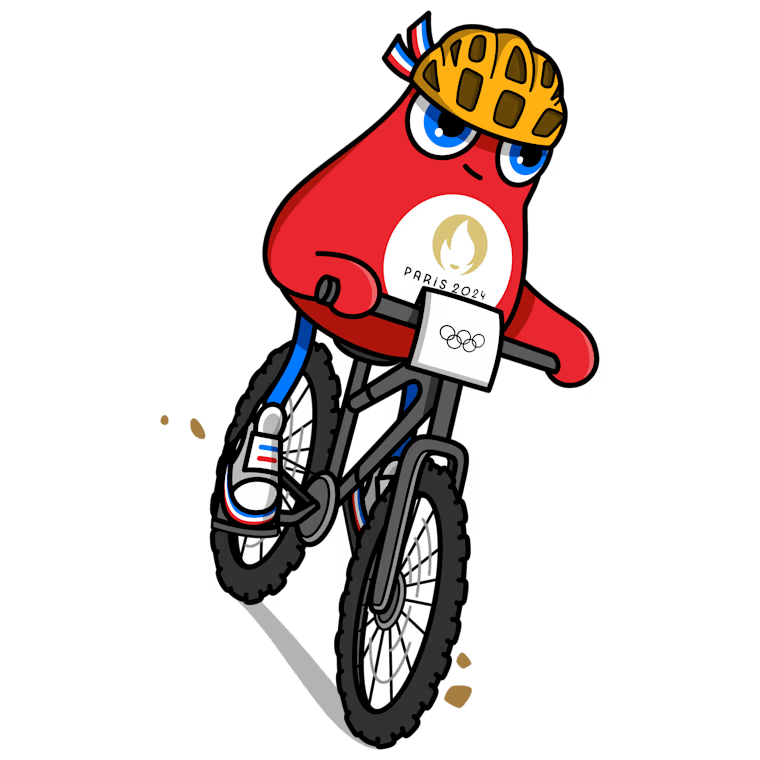
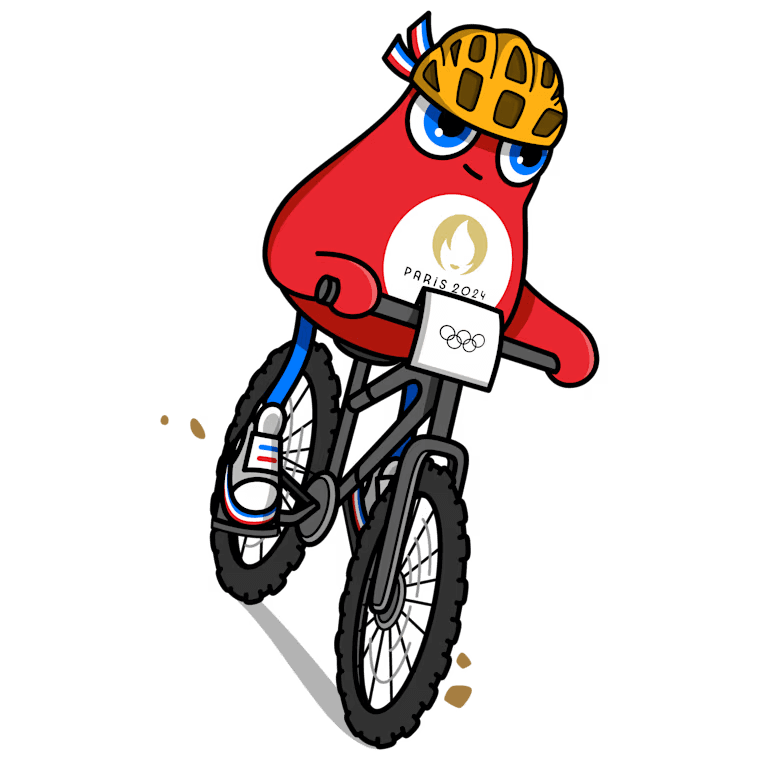
Cycling Mountain Bike
Cycling Mountain Bike is a relatively new sport in the Olympic Games, debuting at the Atlanta 1996 Summer Olympics. This event is governed by a set of rules and regulations established by the Union Cycliste Internationale (UCI). Riders qualify based on their performance in UCI-sanctioned events leading up to the Olympics. Each country has a set number of slots determined by their riders' rankings.
To be more precise, the sport discipline is called cross-country Olympic (XCO), which includes four core race features: uphill, downhill, technical sections with natural and artificial obstacles, and sprint sections. The race is lap-based, with each lap about 4-5 km long, and the total distance is about 35 km. Thus, it’s more of an explosive sprint sport rather than endurance, with a duration of about 1.5 hours.
Men and women have separate starts and distances. For instance, at the Paris 2024 Olympics, held at Élancourt Hill:
Men's Race: 8 laps, totaling around 34 kilometers.
Women's Race: 6 laps, totaling around 25.8 kilometers.
Average speeds in these events are around 25 km/h, with speeds exceeding 45 km/h on downhill and sprint sections, and around 15-20 km/h on uphills. The start for men and women is separate but occurs in groups. The first few minutes are crucial as positioning is key for winning the race, and unlike in road cycling, it’s nearly impossible to come back from rear positions due to the lack of tactical drafting or strategic team play.
Equipment Regulations
Bikes: Must comply with UCI regulations regarding weight, dimensions, and safety standards. Electric-assist bikes (e-bikes) are not allowed.
Helmets: Wearing an approved cycling helmet is mandatory at all times during the competition.
Uniforms: Riders must wear their national team uniforms, which include their country’s colors and UCI-compliant designs.
My Personal Experience
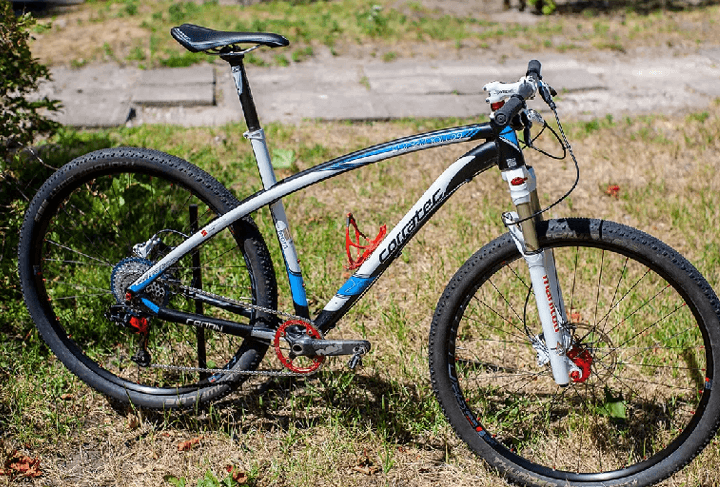
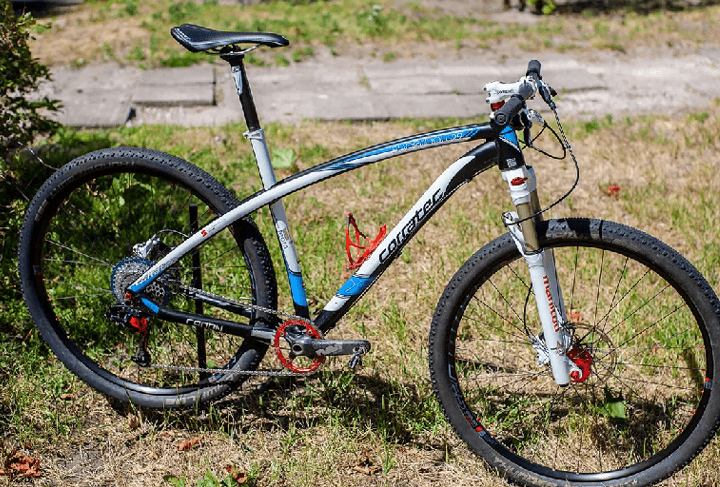
One of my old bikes for XC races, was replaced by Cannondale and now dual suspension bike.
I have never attempted XCO directly but have participated in amateur races that included XCO sections. Due to the variety of riders' skills, these races are usually longer with fewer laps. A classic example is 3 x 15 km, totaling about 45 km. There are dangers of hitting the 'tail' of the race after the second lap, and of course, there are many more participants - sometimes even thousands at the same start, typically a mix of genders, but the finish results are evaluated separately.
Makster7/29/2024
Won$3
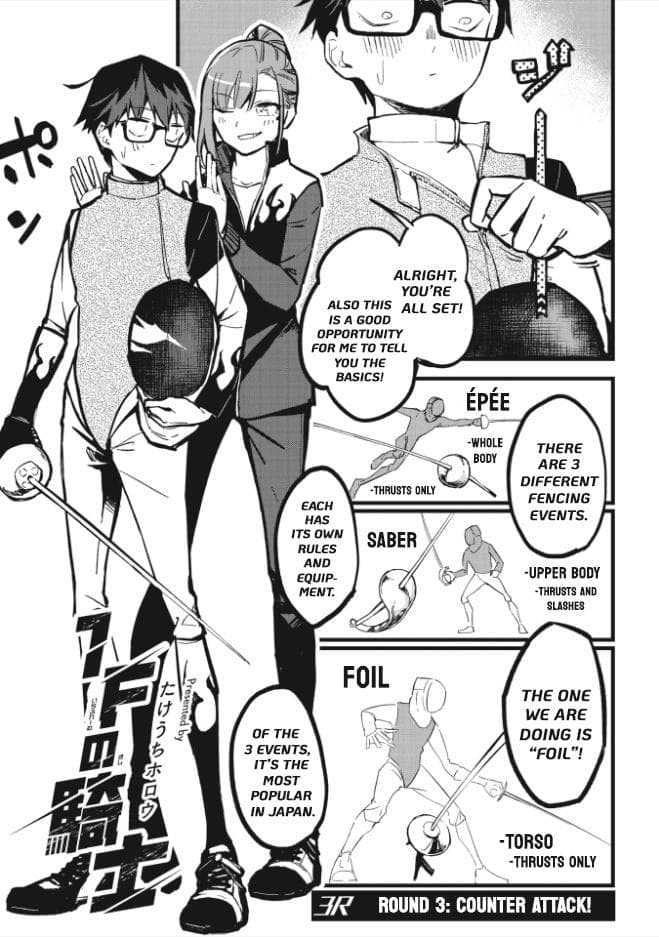
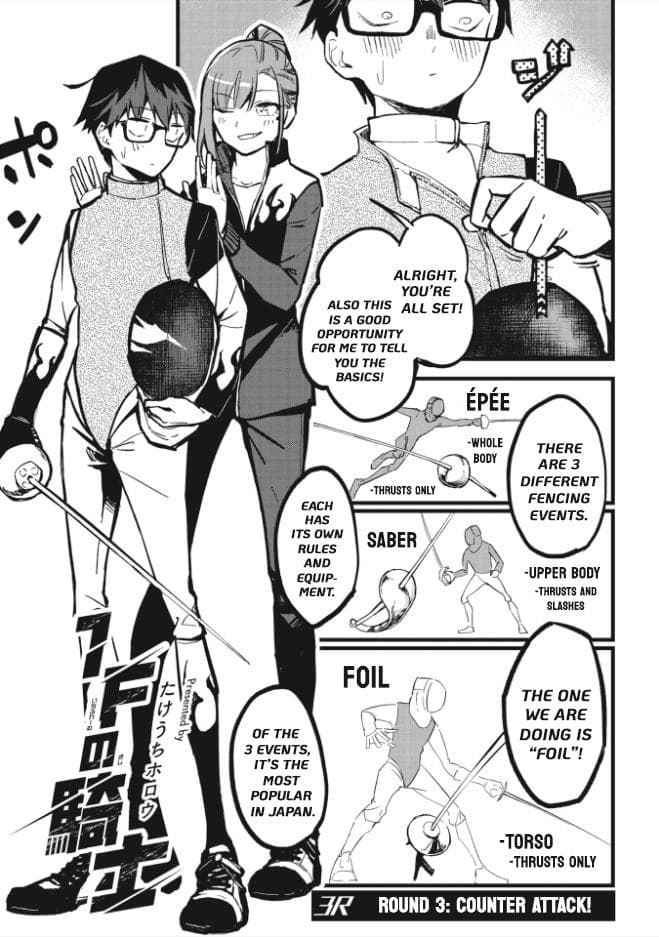
Fencing
The age old tradition of defending your honour by savagely trying to draw blood from your opponent.
There are three weapons as shown in the above picture and each have different sets of rules. I mainly played Foil at a varsity level so I will explain.
In the olden days, the foil only had a sharp tip therefore you can only score from a stab (no slashes). One strike one point. However if both you and your opponent stab each other at the same time who will get the point?
That's where priority comes in. If you're advancing then you have priority. Any forward movement means you have priority (or on the attack) and subsequently the opponent is in defence. Therefore if you both attack at the same time, hit at the same time, then only the one with priority/ advancing first will get the point.
You can lose priority if you draw you hand back (even if you are advancing forwards) or if the opponent parries your blade. Therefore the art of fencing is a dance of avoiding the blade (feinting), parries, repostes (counter-attacks) and of course moving back and forth.
Olympic level fencing is so quick and the blade movements so swift that you need a slow motion camera to really understand what the blades are doing but it makes for an exciting back and forth, cat and mouse game.