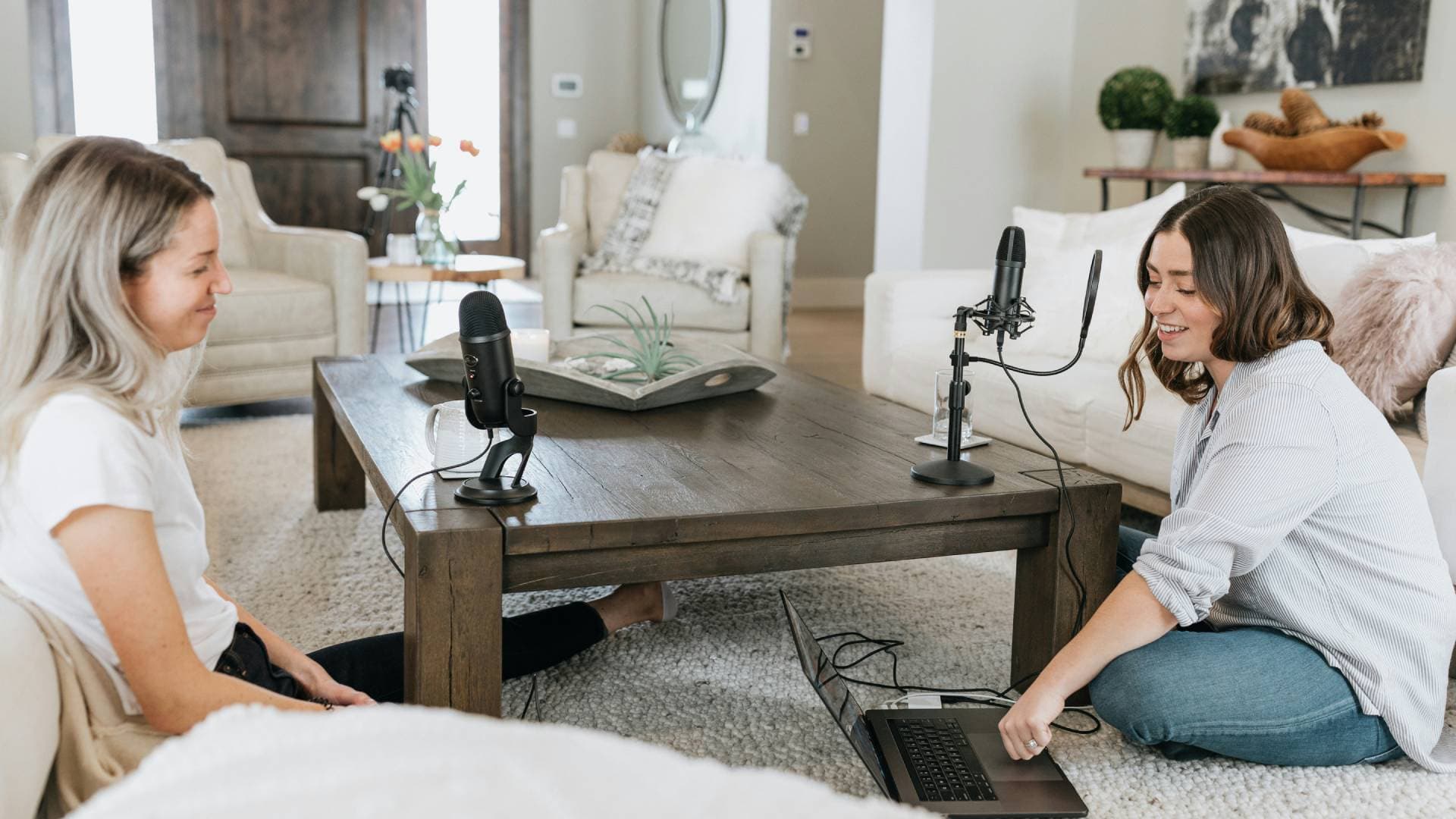
We run a lot of bounties here on JACC exploring the many varieties of modern digital content, and this time round, we're tackling the humble podcast (with thanks to MURRRAAAAY for raising the topic in a discussion last week; we thought we'd pick it up again and put a bounty on it!)
So if you've ever made a podcast, or you fancy going out and looking for a tutorial on the topic, tell us: what should we be aware of before we try one ourselves, what should we do to make it a success, and what common mistakes should we avoid? Tell us about duration, how to pick a topic (or not), format, number of speakers, frequency of publication, promotion, and anything else relevant.
Video or written submissions of more than 75 words are welcome. The best ten entries get $4 apiece!
Task: Tell us what aspiring podcast creators should know first and how they can succeed
Format: Written (at least 75 words) or video
How to submit a written entry:
Hit the 'submit to this bounty' button just below this description - do not use the reply button unless you just want to comment on the thread, as replies will not be counted as entries!
Add a written response and feel free to include images.
How to submit a video entry:
Create your video and post it to your connected TikTok, YouTube or Instagram account.
In your post description, please tag us! We're @JustAbout__ on YouTube, @justaboutcommunity on Instagram, and @justaboutcommunity on TikTok. We'd also love it if you included #JustAbout.
Hit the 'submit to this bounty' button just below this description - do not use the reply button unless you just want to comment on the thread, as replies will not be counted as entries!
Share a link to your post in the box that appears, then expand it so we can view the video on Just About.
Once the deadline closes, we’ll pick up to 10 submissions, award $4 to each of the winners, and may share them as curated content.
Disclaimer: Geographical and age restrictions apply. Just About reserves the right to extend the bounty's duration. Please see our Terms of Use for more information on how bounties are created and rewarded on Just About. One reward available per member.
Take care not to breach copyright. Check our copyright policy before submitting.
Remember to link your social accounts before submitting multimedia assets!
Considering using AI to help? Think twice and first see our approach to AI content on Just About.
Image credit: Kate Osseen via Unsplash
Bounty Rewards
Reward closed
Created at . Page last updated at .
Deadline at .