Here in the UK, we've seen a smattering of snow so far this winter, but not quite enough to get the skis out yet. There's another month or two for it to come though, so to get prepared, we want you to teach us about any winter sport you're an expert in!
Earlier this year, we asked you to teach us about a sport that would feature in the 2024 Olympics, so now's your chance to do the same for any winter sport. From skiing and snowboarding to ice skating and yukigassen, any sport that can only be played during the winter or primarily features snow or ice is eligible for this reward.
Teach us how your chosen sport works, the various rules, notable milestones and records throughout history, and who the best players or teams are right now to win $3.
Remaining$0 / 60
Task: Teach us about a winter sport you know a lot about
Format: Written or video
How to submit an original written entry:
Hit the 'submit to this reward' button just below this description - do not use the reply button unless you just want to comment on the thread, as replies will not be counted as entries!
Add a written response and feel free to include images.
In your post description, please tag us at the end of your post! We're @JustAbout__ on YouTube, @justaboutcommunity on Instagram, and @justaboutcommunity on TikTok. We'd also love it if you included #JustAbout.
Hit the 'submit to this reward' button just below this description - do not use the reply button unless you just want to comment on the thread, as replies will not be counted as entries!
Share a link to your post in the box that appears, then expand it so we can view the video on Just About.
Submissions will be regularly reviewed, and awarded if they meet the brief and are of sufficient quality. Once all prizes have been awarded (or the deadline is met), this reward will close. We may turn the submissions into curated content, and we'll always credit you for your work.
Tier
Prize
Quantity
Remaining
1st
$3
20
0
Disclaimer: Geographical and age restrictions apply. Just About reserves the right to extend the reward's duration. Please see ourTerms of Use for more information on how bounties are created and rewarded on Just About. One reward available per member.
Submissions will be awarded on a first-come, first-served basis provided they are judged to meet the criteria set out above and be of sufficient quality.
Take care not to breach copyright. Check our copyright policy before submitting.
This reward closed to entries at 5:06pm on February 4, 2025 but you can still reply, react, and join the conversation below! If you’d like to enter other rewards which are still open, click here.
Created at .Page last updated at . Deadline at .
Submissions (23)
J
Jaque2/4/2025
Ok! The winter sport I'm going to teach you is Ice Hockey! It's played on an ice rink with two teams of six players - five skaters and one goalie. The goal is to score by hitting a small rubber puck into the opposing team's net using a hockey stick. The team with the most goals at the end wins!
The basic rules of Ice hockey are 3: 1. Offside- a player cannot enter the attacking zone (past the blue line) before the puck does; 2. Icing- if a team shoots the puck across both the center red line and the goal line without being touched, the play is stopped; 3. Penalties- a penalty means they sit in the "penalty box" for a set time, giving the other team a power play (a temporary advantage). Players can get penalties for actions like tripping, slashing or fighting.
A notable record is from the canadian Wayne Gretzky that holds the record for most NHL points (goals+assists) in history: 2,857 points. An amazing milestone is what's called "Miracle on Ice", when, in 1980, the USA defeated the heavily favored Soviet Union in the Winter Olympics. Another record is from the Montreal Canadiens that hold the record for the most Stanley Cup wins (24 championships).
One of the best current players is the canadian Connor McDavid known for his incredible speed and skill. Another best current player is the Nathan MacKinnon that was the leader in points in the 2024-25 NHL regular season.
Photo of Nathan Mackinnon returning to face Toronto
FirestormGamingTeam2/4/2025
I present, Bobsledding!
Marukosu1/29/2025
Won$3
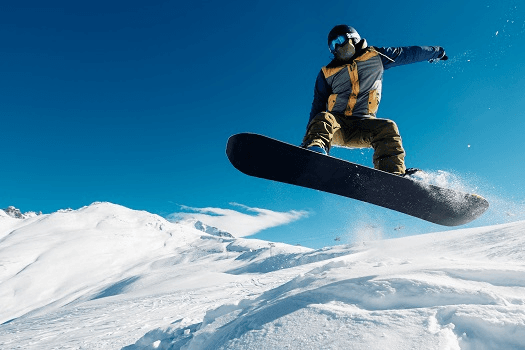
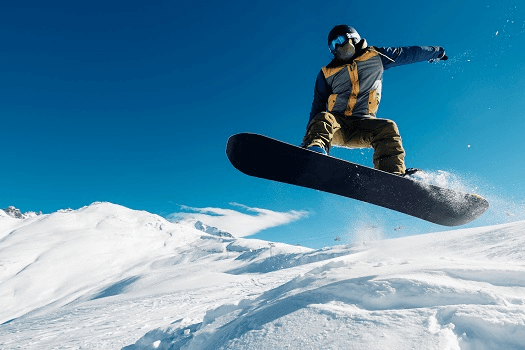
I rarely watch Winter Olyimpics, but when I do I always find myself mesmerized by Snowboarding, which is the sport that I am going to talk about.
The objective of Snowboarding is basically descend a snow-covered surface while standing on a snowboard, which gives the name of the sport. The sport has a variety of styles, in the olympics the usual ones are big air, halfpipe, parallel giant slalom, slopestyle and snowboard cross
I am going to tell the basic rules to the main styles.
Halfpipe:
The half-pipe is a semi-circular ditch dug into the mountain or purpose-built ramp made up of snow, with walls between 8 and 23 feet (7.0 m). If a competitor remains stationary in the halfpipe for more than 10 seconds, their run will be scored up to that point and considered terminated. They must then exit the course as quickly as possible.
Parallel Giant Slalom:
Athletes may be disqualified for the following infractions:
False start
Interfering with an opponent during a run
Passing through the wrong gate
Failing to complete a turn on the outside of a gate
Finishing the run without at least one foot fixed to the board
Snowboard Cross:
Intentional contact, such as pushing, pulling, or any action that causes another competitor to slow down, fall, or exit the course, results in automatic disqualification. However, unavoidable incidental contact may be considered acceptable. All contact infractions are subject to the discretion of the course judges and race jury.
The race leader has the right to choose their line through the course but cannot intentionally block an opponent from passing. Such actions may result in penalties determined by the course judges and race jury.
If a competitor believes a rule violation occurred during their heat, they may request a review from any member of the race jury. This request must be made before the next heat begins.
There are a lot of other styles with different rules.
Some incredible milestones:
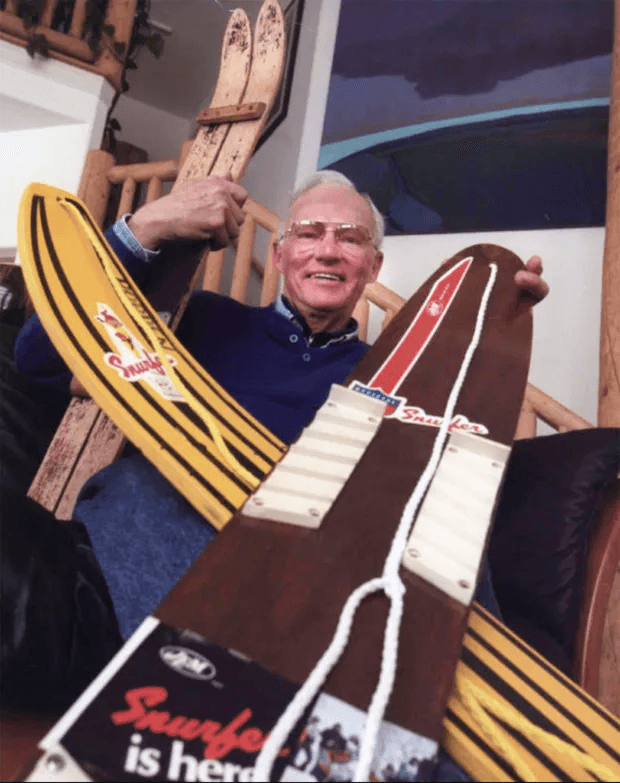
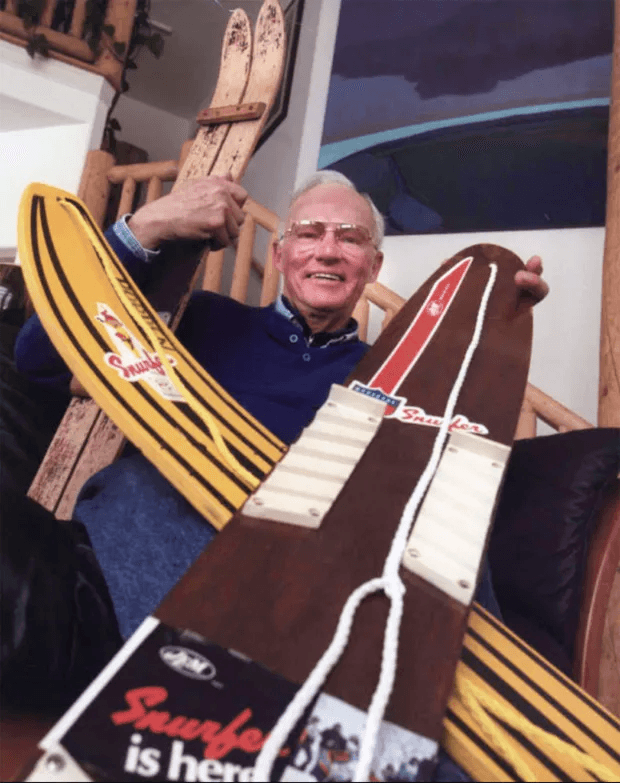
1965: Sherman Poppen invents the Snurfer, which is considered the first iteration of snowboarding. 1977: Jake Burton Carpenter creates the Burton Snurfer, the first snowboard with bindings. 1982: The first World Snowboarding Championship is held in Soda Springs, California. 1998: Snowboarding is added to the Winter Olympics in Nagano, Japan. 2014: The first Olympic Slopestyle Event is held in Sochi, Russia. 2005: Mads Jonsson sets the record for the longest jump on a snowboard at 187 ft.
Sherman Poppen, the 'grandfather' of snowboarding
What about records? These are some incredible ones that I found
Fastest speed on a snowboard: Jamie Barrow set a record by reaching 131 mph (211 km/h).
Fastest speed on a snowboard towed by a vehicle: In 2022, Jamie Barrow and Niki Faulkner hit 117.15 mph (188.54 km/h) on a frozen lake in Gol, Norway.
Most medals won by an individual at the Winter X Games: Barrett Christy earned 10 medals between 1997 and 2001.
Most Snowboarding World Cup titles: Karine Ruby claimed three titles.
Most vertical feet snowboarded in 24 hours: Tammy McMinn snowboarded an incredible 305,525 ft (93,124 m) in 1998.
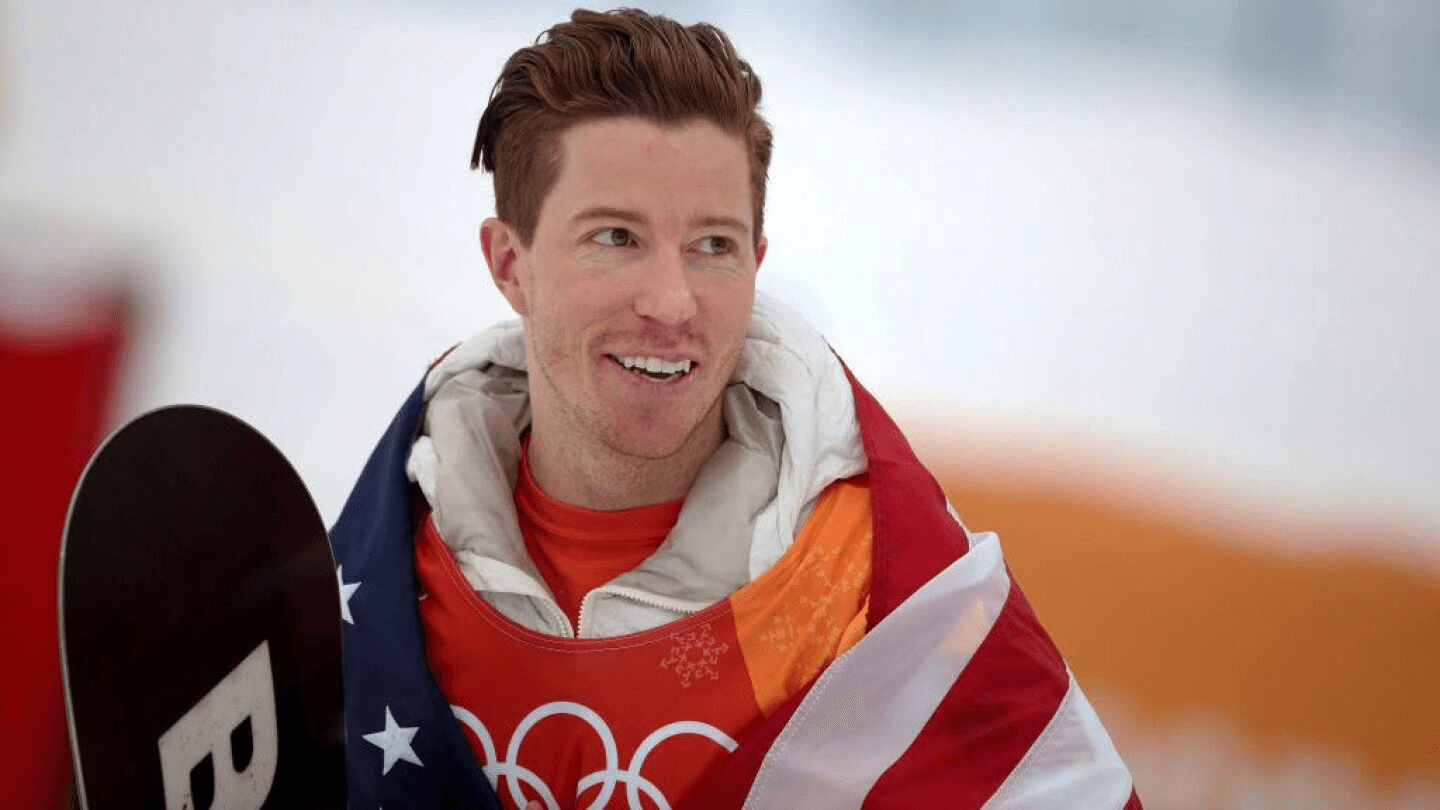
Currently the best Snowboarder is Shaun White, having won three gold medals at the Olympics, all three in the Halfpipe discipline.
Shaun White, american snowboarder.
And this is Snowboarding, an adrenalineful sport that I enjoy watching.
MURRRAAAAY1/28/2025
Won$3
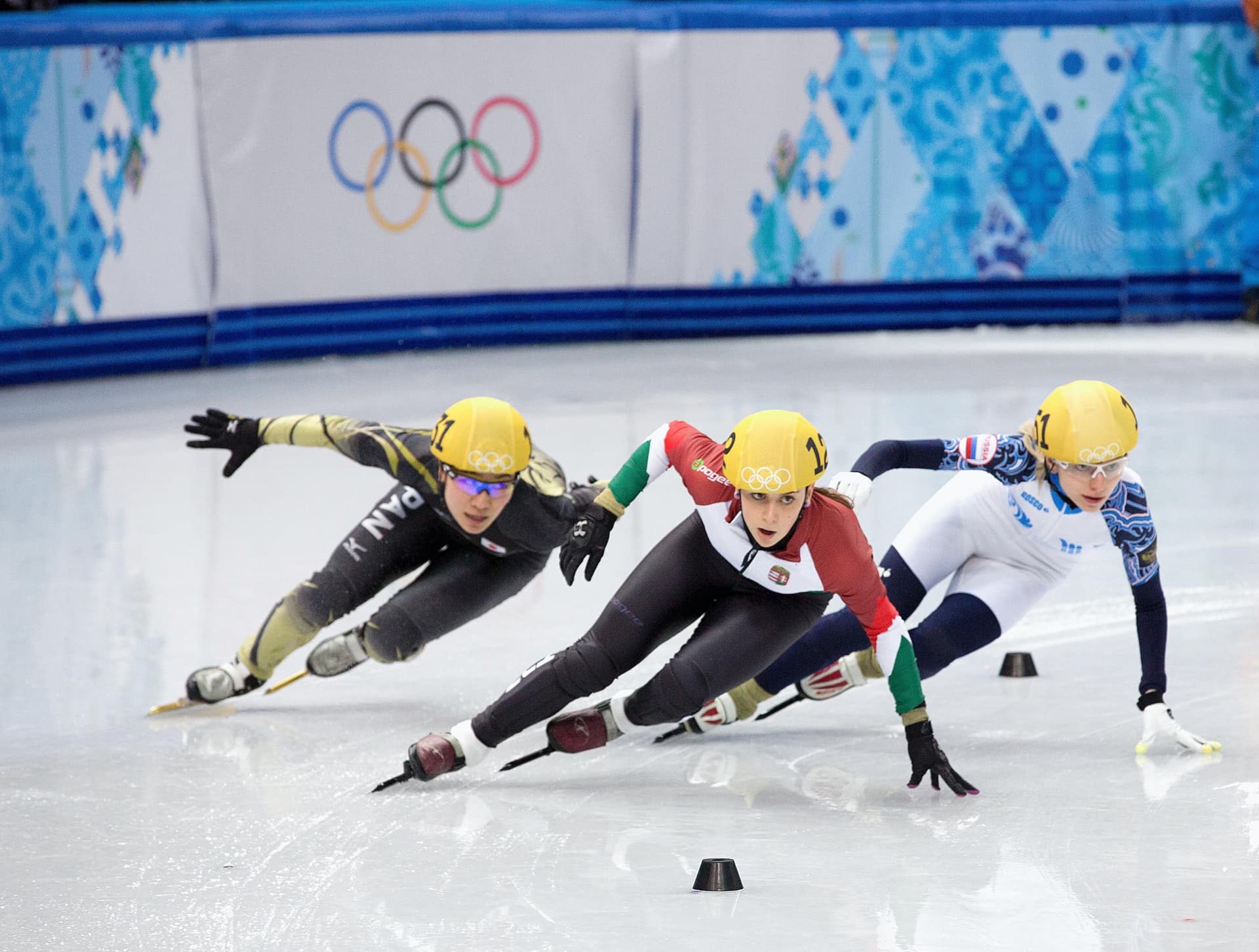
Ok so I am going for one of my fav winter sports to watch at the winter Olympics and that is Speed skating!
Which is bascically ice skating but its a sprint race, so its a very fun and intense watch, also whilst being very graceful as they glide round the ice! The athletes race each other certain distance on skates depending on the event type. From my super brief research as i didn't realise there was different types of speed skating, but hey everydaysa school day, there is long-track speed skating, short-track speed skating, and marathon speed skating! And the only real difference between each is the distance so its a simple and fun sport to watch, if like me you enjoy watching sprinters and athletics at the Olympics i'd recommend giving this a watch at any winter events! They also have solo and team races, id recommend the team pursuit races as they are the most fun to watch in my opinion!
PS what is also cool is they seem to also do a lot of dry land speed skating races too, basically using roller blades, so i assume this is great for training for the races on ice!
projectazone1/26/2025
Won$3
Sport Name:
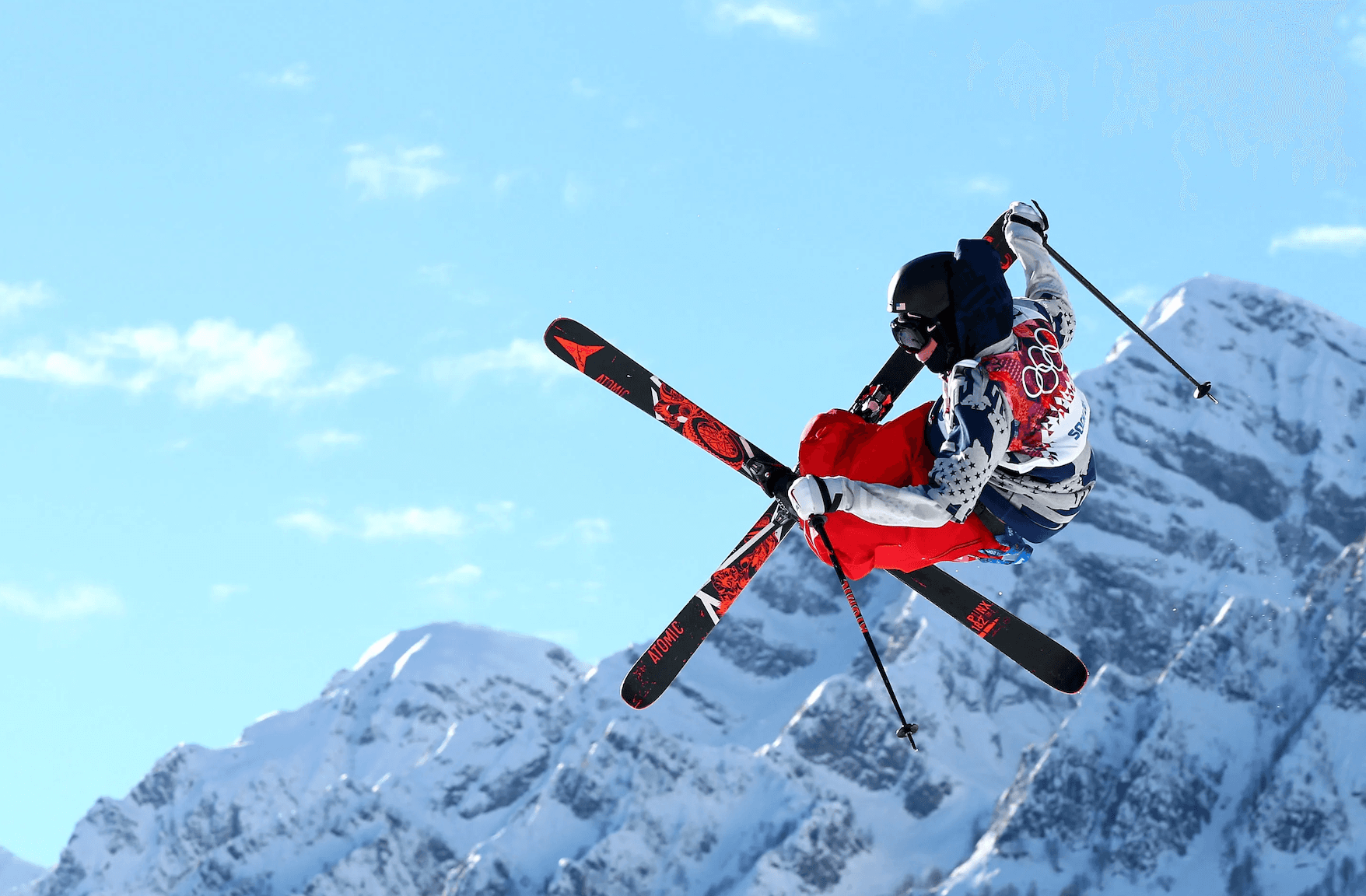
Name sport: Freestyle (skiing) or also called acrobatic skiing
Birth: It was born in Norway in 1930 when skiers began to do some acrobatic moves in alpine skiing training
Specialties: Within Freestyle there are some specialties such as:
- Jumps: In jumps, athletes ski on snowy trampolines and once in the air they perform various exhibitions before landing.
- Ski cross: In ski cross, several athletes go down the track where they jump, there are bumps and various curves.
- Humps: Along the entire course the athletes alternate between humps and jumps. Points are assigned based on the type of jump, the difficulty and the speed of execution.
- Slopestyle: This specialty is very particular because along the course there are various obstacles on the track made of railings, cylinders, tubes, but also benches and tables on which skiers must jump trying to maintain their balance.
- Big air: Along the course there is a ramp that allows the athlete to gain speed for a big jump and acrobatics before landing.
Equipment required: Obviously a pair of skis that can vary depending on the specialty, gloves and glasses, boots. However, each athlete must have light equipment, especially for specialties where balance is required.