Submissions (22)

Braulio M Lara 🔹's avatar
Braulio M Lara 🔹9/11/2024

PLATFORM GAMES

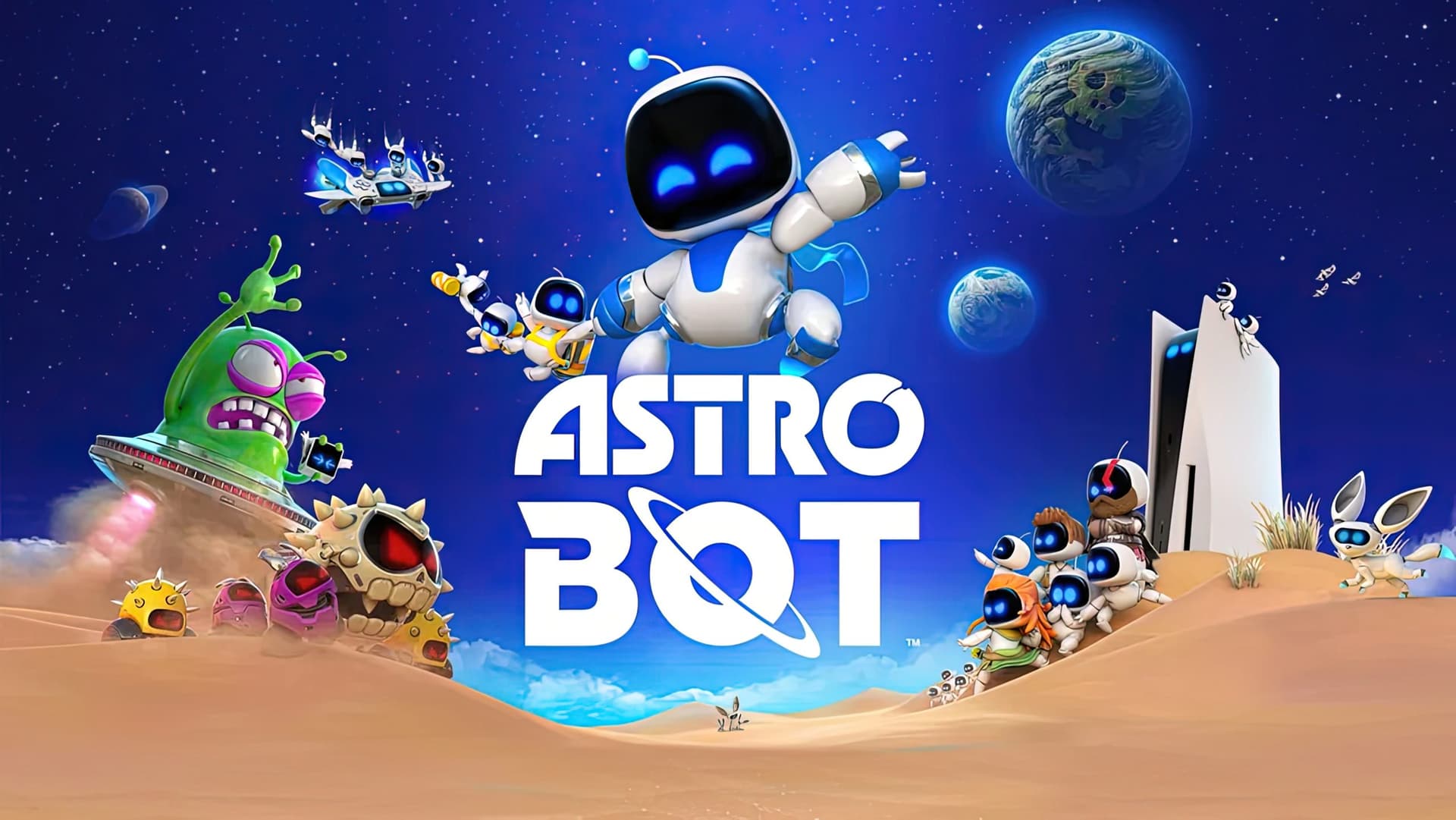
ASTRO BOT Can save the platform games because anyway we have Mario’s , and some failed Sonic the platform genre was saving the game industry when Atari and his infamous ET almost crash the industry

I’m play Astro Bot in Vr or in the Demo that come with the PlayStation 5 the new one l’m not taste it but all comments are positive and l believe that ASOBI TEAM (formerly Japan Studio) can make a very good game

The platform game start everything in the new videogame revolution run , jump and collect points

God bless you all 😊

P
Peters9/11/2024

I think the industry consolidation is affecting games of all genres. The investment these big groups get and then snap up smaller studios with great game ideas and then close them down to make more profits and reduce outgoing employee costs is stupid.
I don't have a single game that can solve the problem, but Indie games do not have this silly structure and are able to defy the restrictions and make games for fun not purely for profit.

Amoni P's avatar
Amoni P9/11/2024

$4

We need more shooters that are not live service games. Wolfenstein as a franchise has been the one that's refused to be a live service game and The New Order and The New Colossus were good. Mass Effect 3, while it's campaign story was polarizing, was beloved for its multiplayer. Perhaps the Bioshock sequel coming [waves hands in the air] will fill that void, but that's a lot of hope to hang on to one game whose last entry was... a source of great division.

If I were to make a game to save the FPS, I'd make it original IP level-based shooter. I'd set it in a fictional place, fictional time with maybe some aesthetics that callback to the real world but nothing so specific as to make it messy. I'd make three versions of the main character: standard dude, standard lady, and a nonbinary character (similar to the way Assassin's Creed: Valhalla did it). Everybody gets to see themself or something close to who they are in the main character. Most crucially, it would receive patches and maybe updates to improve upon existing features, but it would not be a live service game. No purchasable cosmetics, no DELUXE PREMIUM ULTRA RARE EDITION for half your paycheck plus a second mortgage on the house, and no content locked behind add-on packages.

The plot: You are a bounty hunter tasked with hunting rogue machines. They could be something as innocuous as a house cleaning bot that's gone AWOL to a lethal corporate security drone (inspired heavily by The Murderbot Diaries by Martha Wells and maybe a little of the Wayfarer Series by Becky Chambers). The first third of the game is pretty standard bounty hunting when, uh oh, a mission goes sideways and now you've been captured. Turns out the bots going haywire wasn't an accident. The machines have been liberating each other. Now you spend the second third of the game escaping. In the final third you get to choose whether you'll turn on the humans and side with the machines or side with the humans and shut down the bot liberation movement for good. Either way the ending will be bombastic, promising an escalating challenge for even the most skilled of shooter players.

Then you develop an expansion, either based on a minor character (think Dishonored: Death of the Outsider) or expanding out from some little thing that was implied but never seen in the base game (think Mass Effect 3's Citadel, From Ashes, Omega, Leviathan expansions; Mass Effect 2's Shadow Broker expansion). People still talk about Mass Effect's expansions because they were so high quality and added so much value to the play experience (admittedly, there were a few that sucked).

Shooters have all but been decimated by the live service model. That's not to say they're all bad, but they don't play the same. You can never get closure with a live service game. I'll never get closure playing through Fortnite missions. Hell, people are still grinding out stuff on Destiny 2 despite the fact that the final big content update happened a few months back. It doesn't seem like folks who invested in the narrative for that game got any real closure. Maybe we can't go back to a time when all shooters were level-based, but honestly I think one or two good ones from time to time would do the game industry some good.

yan57436's avatar
yan574369/11/2024

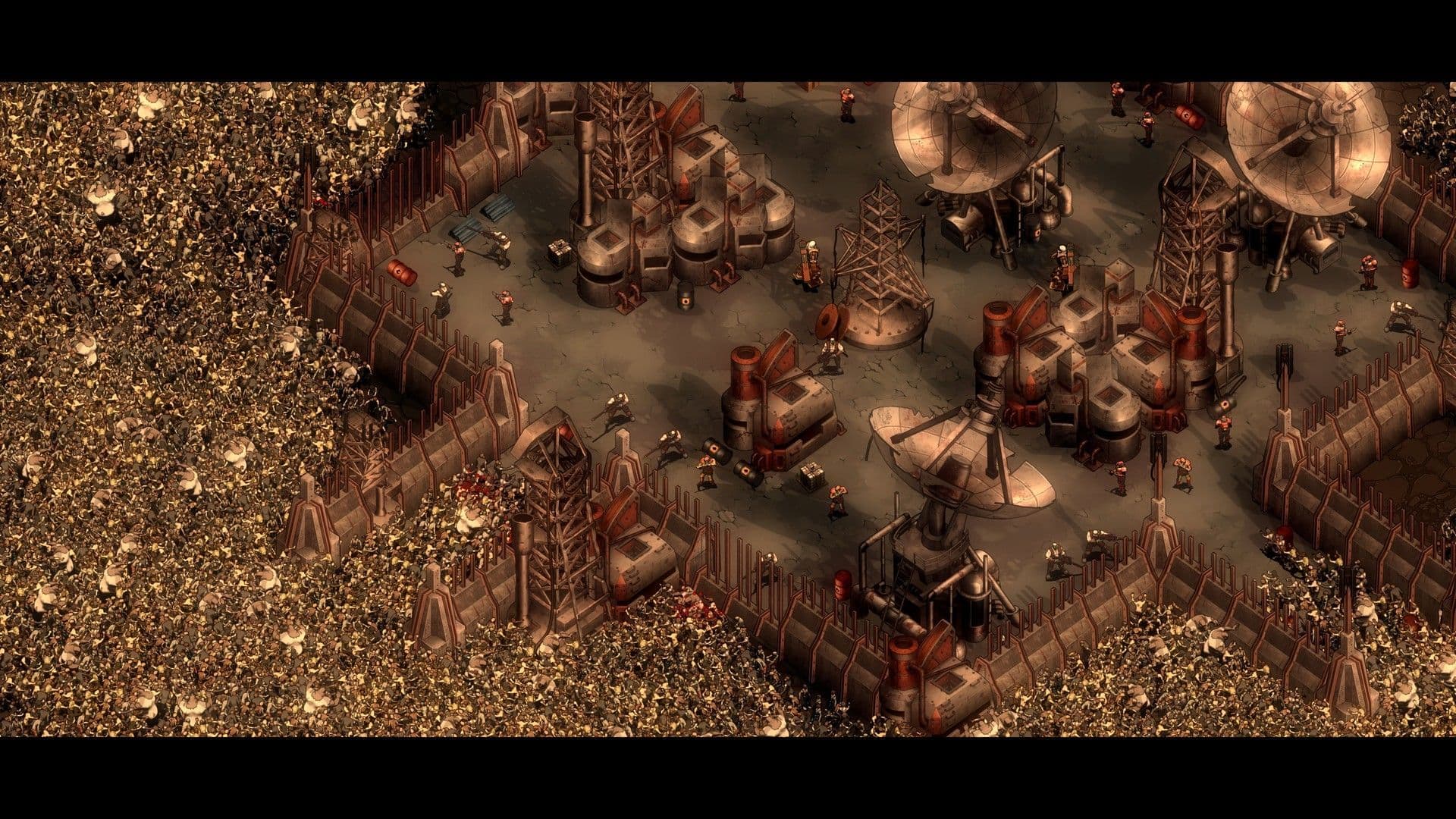
As a lover of the Sim's City game and the skyline of its “daughter” cities (hahaha), I love the genre of creating and managing cities. In general, I'd like to point out some defects and some solutions together:

  1. Complexity: I remember when one day I ended up watching an architecture video on youtube about road flow to try to solve a problem in my cities skyline (AND IT WORKED!), so I end up believing that having ways for “noob” players to interact with the game and not be scared would make it much easier to get started.

  2. Monotony: With the society we live in becoming more and more dynamic (I include myself in this, I only play while listening to music or podcasts), I believe it's necessary to use random elements to bring more dynamism, I'm inspired by rogue-like games that are always the “same thing”, but are different (Can you understand? hahaha)

  3. Multiplayer: I see great potential for multiplayer in these games and they simply aren't exploited, sim's city back in 2013 even tried, but didn't succeed because it limited the city too much. But generating an interaction where your city needs a product and doesn't have good geography for such exploration and ends up having to socialize and make economic alliances with other players would make everything very interactive! (I thought of the Ikariam game I played as an example in my childhood).

Sturmer's avatar
Sturmer9/10/2024

I believe classic RPGs still have the potential to perform exceptionally well! The recent astonishing success of Baldur’s Gate 3 revealed some interesting things.

Yes, the game is fantastic, there’s no doubt about that, but more importantly, it has shown that modern players still have a strong passion for lengthy role-playing games with complicated combat systems, deep dialogue trees, and the opportunity to shape their characters' destinies in meaningful ways. This success is a clear signal to other developers that there’s still a huge audience for complex RPGs.

I remember attending roundtable sessions in 2022, where professionals discussed how modern games should cater to low attention spans and avoid complex mechanics, unless targeting niche markets. Larian’s success has proven that notion wrong, revealing that a broad audience still craves immersive, multi-layered role-playing experiences.

This year at Devcom, the halls were buzzing with excitement about BG3 and the resurgence of classic RPGs. So, maybe it’s time to revisit franchises like Might & Magic , Mass Effect or Fallout.

With modern game engines, AI, and adaptive environments, we could create nearly limitless role-playing opportunities. I foresee future RPGs evolving into platforms for players to craft their own personal stories, offering deeper and more immersive experiences than ever before.